Public art can turn an ordinary wall into a place where residents stop, look, and learn. That is the idea behind a planned history mural at the Covina Recreation Village, a community facility being developed along North Citrus Avenue. Rather than focusing on one era, the project is intended to connect Covina’s earliest history with the agricultural, transportation, suburban, and community stories that shaped the city.
In April 2026, the City of Covina announced a call for muralists for a large-scale artwork celebrating local history, culture, and community. The City said the project would be developed in collaboration with the Kizh Tribal Nation and supported in part by a National Endowment for the Arts grant.
The mural is significant for Covina History because it shows how local history can move beyond archives and museum displays. When historical stories become part of a public place, they can reach people during everyday activities and encourage new conversations about who lived here, how the city changed, and what parts of that past remain visible today.
A Mural Designed Around Covina’s History
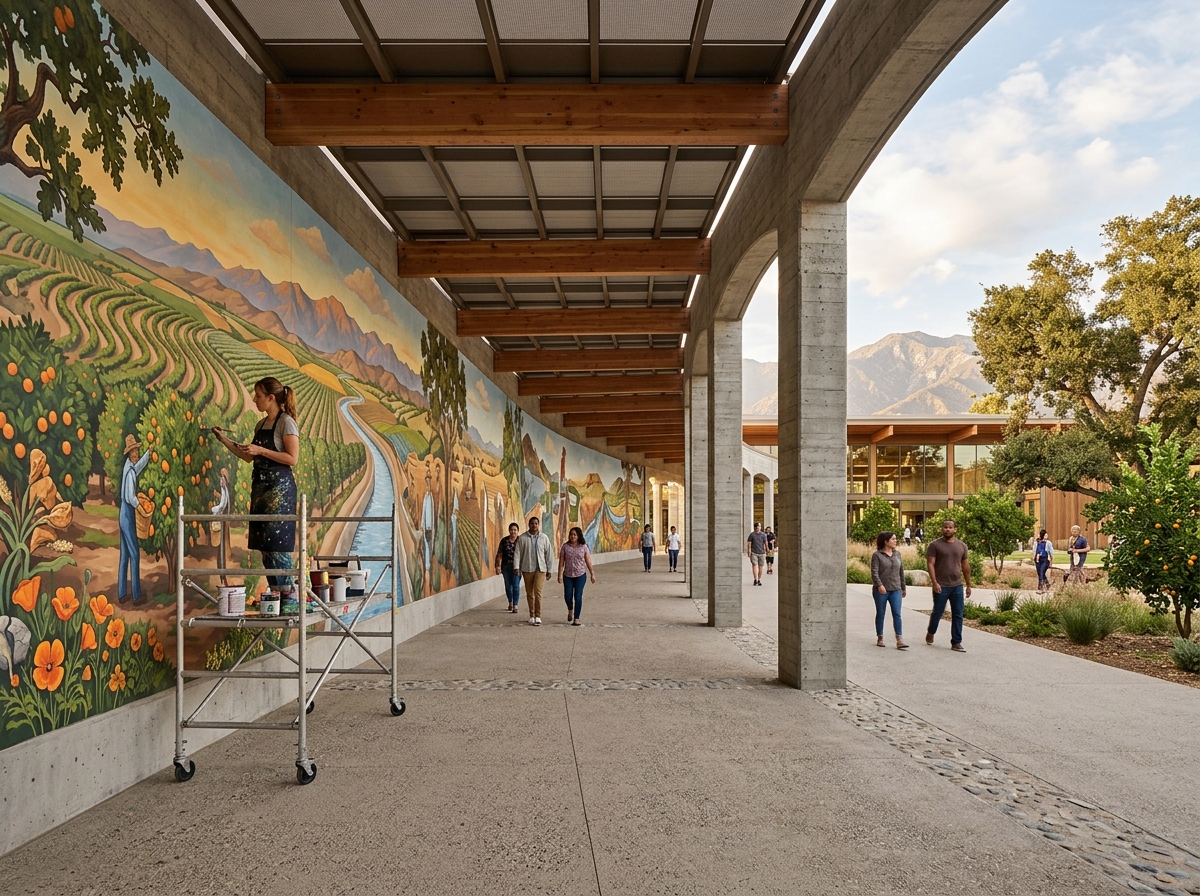
City documents describe the mural as an artwork that will trace Covina’s history from the region’s first inhabitants through later periods of development and into the present day. The planned location is the southern side of the gymnasium building at the Covina Recreation Village.
An April 2026 Covina City Council agenda report states that the mural area is within an exterior colonnade along the building. The colonnade runs approximately 285 feet, although the final mural size depends on the available budget and the selected artist’s proposal.
The same report says the City received notice of a $25,000 National Endowment for the Arts grant and proposed adding $50,000 from development agreement public benefit funds to support the project. That makes the artwork part of a broader effort to combine recreation, public space, and cultural storytelling at the Recreation Village.
The Final Artwork Should Not Be Assumed Yet
The City’s call for artists outlined themes and a collaborative process, but those materials should not be mistaken for a final mural design. The publicly available sources reviewed for this article do not provide a verified final composition. Any AI-generated preview of the project should therefore be labeled as a conceptual visualization, not an official rendering.
That distinction matters for a history-focused publication. Readers should be able to tell the difference between documented facts, proposals, interpretations, and completed work.
Why the Kizh Nation Collaboration Matters
One of the most important aspects of the project is the planned collaboration with the Kizh Tribal Nation. The mural is intended to begin its historical story before Covina’s incorporation, citrus boom, railroad growth, or suburban expansion.
The Kizh Nation’s official website describes the Nation as descendants of the Indigenous people of the Los Angeles Basin, San Gabriel Valley, northern Orange County, and surrounding areas. Including tribal consultation in a local-history project helps place Covina within a much longer regional story rather than treating the city’s history as if it began only with nineteenth-century settlement.
It also helps avoid presenting Indigenous communities only as people of the distant past. The Kizh Nation remains active in cultural preservation, resource protection, and historical interpretation.
From Citrus Groves to Suburban Covina
The mural’s proposed historical scope reflects some of the transformations that made modern Covina recognizable. According to City history materials, Covina was founded in 1882 and later became closely associated with citrus agriculture. Orange groves, packing operations, transportation connections, and related businesses played major roles in the area’s development.
Rail service helped local agriculture connect with larger markets, while later transportation changes brought new residents and businesses. After World War II, much of the agricultural landscape gave way to residential development as Covina became increasingly suburban.
The City’s mural request pointed artists toward themes including Indigenous history, citrus agriculture, transportation, suburban growth, and more recent changes. Together, those themes provide a framework for showing how the community evolved over time.
Readers can explore additional background through the City of Covina history page, which includes information about local museums, historic photographs, and walking-tour resources.
Public Art Can Make History Part of Daily Life
Museums, books, archives, and historic sites remain essential places for preserving local history. Murals work differently. A mural can place history directly in a space used for recreation, walking, gathering, or commuting, allowing people to encounter a historical narrative without planning a formal museum visit.
The National Endowment for the Arts describes its Grants for Arts Projects program as supporting arts experiences, artistic heritage, cultural legacy, and community benefit. Covina’s mural fits within that broader idea of using art to create a public connection with place and memory.
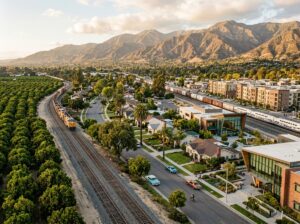
The setting is also meaningful. The Recreation Village occupies a property tied to the city’s former citrus-processing landscape. A history mural there can connect the site’s new public use with stories from its earlier economic and community roles.
This is why the mural belongs within the People and Community section of Covina History. The project is not simply about decorating a building. It is about deciding which stories are shared in a prominent public setting and how residents encounter them.
What to Watch as the Mural Project Develops
The key details to watch are the final artist selection, approved concept, historical subjects included, installation schedule, and how collaboration with the Kizh Tribal Nation is reflected in the completed piece. Until those details are officially released, they should not be guessed or presented as settled facts.
Once completed, the mural could become a starting point for deeper historical research. Individual scenes or references may lead readers toward archival photographs, museum collections, oral histories, historic buildings, transportation records, or stories about families and organizations that influenced Covina.
It may also encourage comparisons between the city represented in the artwork and the Covina residents see today. That kind of comparison shows that streets, buildings, public spaces, and community identities continue to evolve.
A Public History Project for a Changing City
Covina’s planned history mural arrives as the Recreation Village itself represents major change. A former industrial and citrus-related property is being adapted for contemporary public use, while a mural is being planned to explain parts of the longer story behind the community.
The combination brings together Indigenous history, agriculture, transportation, suburban development, public art, and present-day civic space in a single location.
For residents, the finished mural may eventually become more than a backdrop. It could serve as a visual introduction to Covina’s past and a reminder that local history is not limited to old photographs or preserved buildings. History can also appear in the places people use now, helping new generations understand how the community around them came to be.
As more verified information becomes available, Covina History can continue documenting the mural’s development and the historical subjects ultimately chosen for the finished artwork.